
We're Here to Assist You
Ants: A Recent Job & Some Homeowner Tips
Category: Holiday
Published: 15 March, 2026
By Modest – Owner of MA Pest Control
What I Walked Into
March in London is when I start getting more calls about ants. The weather begins to warm up, and suddenly people notice tiny lines of insects moving across their kitchen floors.
Last week, I had a call from a family in North London. The mum sounded frustrated more than anything.
“They just keep coming back,” she said. “We wipe them away, and the next morning there’s another trail.”
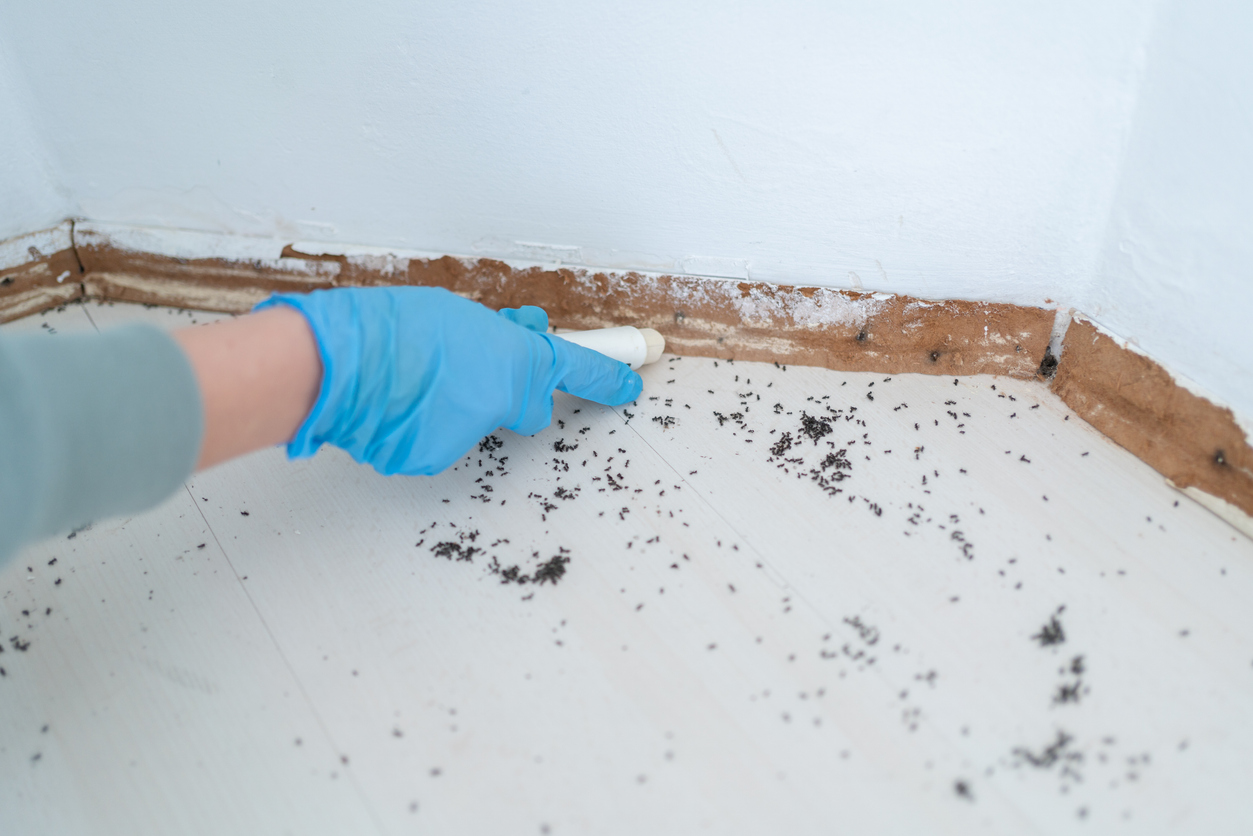
When I arrived at the house, it looked spotless. No food left out, no visible crumbs. But along the edge of the skirting board near the patio door, there it was — a steady line of black ants heading straight toward the kitchen bin.
They’d noticed them a few days earlier, mostly around the sink and food prep area. At first, they thought it was just one or two ants getting in. By the time they called me, there were dozens.

The Problem
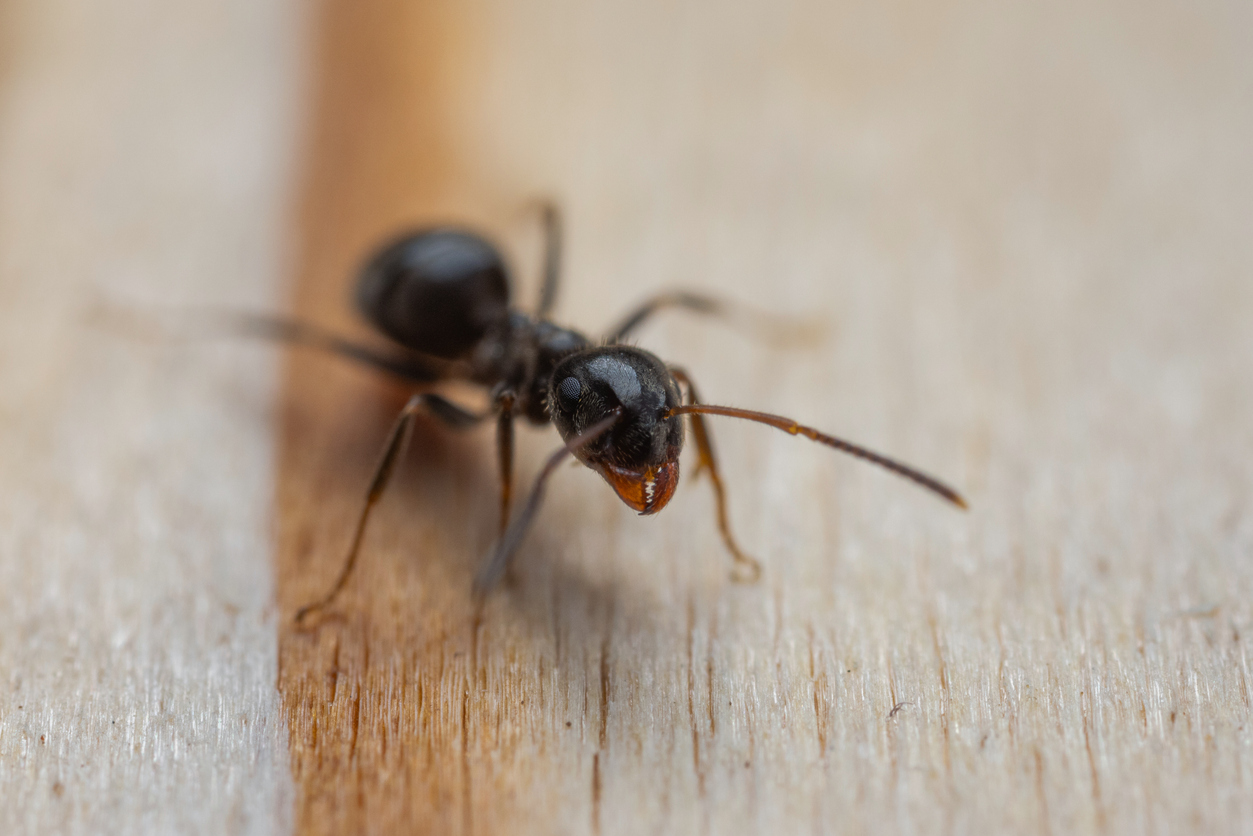
Ants seem harmless at first, but once they establish a trail, they don’t stop.
Here’s what I found during inspection:
Entry Points Near the Patio Door
There were small gaps in the door frame and a slight crack in the seal. That’s all ants need.
Scent Trails Established
Ants leave behind a scent trail for others to follow. Even after the family cleaned the surfaces, the invisible trail remained. That’s why more ants kept appearing.
Attraction to Moisture
There were also signs of activity under the sink. Ants are not just after food — they look for water too.
The stress builds quickly with ants. People feel uncomfortable cooking. Children start asking why bugs are on the floor. It’s not about danger — it’s about not feeling settled in your own home.

The Process
Ant control isn’t about spraying randomly. If you don’t deal with the nest and the trail properly, they’ll just return.
Step 1: Full Inspection
I checked:
Skirting boards and door frames
Under the sink and behind appliances
Exterior walls and paving slabs
Garden edges near the property
It’s important to understand where they’re coming from, not just where you see them.
Step 2: Targeted Treatment
Instead of surface spraying everywhere, I used a professional-grade bait treatment along the active trail.
The reason is simple:
Ants carry the bait back to the nest. That way, the whole colony is affected — not just the few you see in the kitchen.
I also applied a residual treatment around entry points to reduce further access.
Step 3: Sealing Advice
After treatment, I advised the family to reseal the patio door frame and close up the small gaps around the threshold.
Treatment removes the colony. Sealing reduces future risk.
The Outcome:
Within a few days, the activity dropped significantly. By the end of the week, the trail had completely stopped.
The mum sent me a message saying,
“It’s such a relief not having to check the floor every morning.”
That’s usually the biggest change — not just fewer ants, but less stress. You stop thinking about it. You cook without watching the skirting board.

DIY Advice
There are a few simple habits that help prevent ants from settling in:
Clean Spills Quickly
Wipe down surfaces, especially sugary drinks or fruit juices. Ants are drawn to sweet food.
Take Rubbish Out Regularly
Kitchen bins, especially food waste, attract scouting ants.
Seal Small Gaps
Check around doors, windows, and pipe entries. Even small cracks can become entry points.
Avoid Spraying Random Chemicals
Household sprays may kill visible ants, but they often cause the colony to split and spread.
Keep Pet Food Covered
Pet bowls left out overnight can become a food source.
These steps don’t replace treatment if there’s an established nest, but they reduce the chance of repeat problems.
The Outcome
Within a few days, the activity dropped noticeably. The long line of ants that had been running along the skirting board started to thin out. By the end of the week, there were no visible trails at all.
I asked them to keep an eye on the usual spots — near the patio door, under the sink, and around the bin. They didn’t see any new movement. No stray ants wandering around. No fresh lines forming.
That’s usually what changes the most. It’s not just about getting rid of insects. It’s the routine stress that disappears. You’re not wiping surfaces constantly.
You’re not wondering if they’ll show up again during dinner. The kitchen goes back to being a normal space — somewhere you cook, sit, and talk without thinking about what’s crawling along the edge of the room.
"It's brighter than before!"
— Megan
Professional Insight
Ants can look like a minor issue, but if you’re seeing steady trails for more than a couple of days, it usually means there’s an active nest nearby.
Here’s what makes professional treatment important sometimes:
You Can’t See the Nest
Most nests are outside or under paving, not in plain sight.
Killing Workers Isn’t Enough
If the queen survives, the colony continues.
Incorrect DIY Sprays Can Make It Worse
I’ve seen cases where over-the-counter sprays scattered the colony and created multiple smaller nests.
Professional control isn’t about using harsh chemicals. It’s about understanding ant behaviour and breaking the cycle properly.

Closing Thoughts
Every spring in London, the calls start coming in. It’s predictable. As soon as the temperature rises, ants begin searching for food.
That North London job reminded me how quickly a small line of ants can turn into a daily frustration. But it also showed how simple and straightforward it is to sort when handled properly.
If you’ve started noticing ants around your kitchen, doors, or garden edges this March, don’t ignore it. Early action always makes things easier.
If you’re in London and unsure what you’re dealing with, just reach out. I’m always happy to take a look and give honest advice.
Keep your kitchen clean, your home sealed, and ants out for good.
– Modest
Areas
Address
Toronto Headquarters
20a Ladbroke Crescent, W11 1PS, London, UK


© 2026 MA Pest Control. All rights reserved.