
We're Here to Assist You
Cockroaches: A Recent Job & Some Homeowner Tips
Category: Holiday
Published: 01 November, 2026
By Modest – Owner of MA Pest Control
What I Walked Into
November is when the weather around London starts getting noticeably colder, but that doesn't mean cockroach problems disappear.
Inside homes, especially around kitchens and bathrooms, there's still plenty of warmth and moisture for them to survive. In fact, cockroaches living inside heated properties can remain active throughout the year.
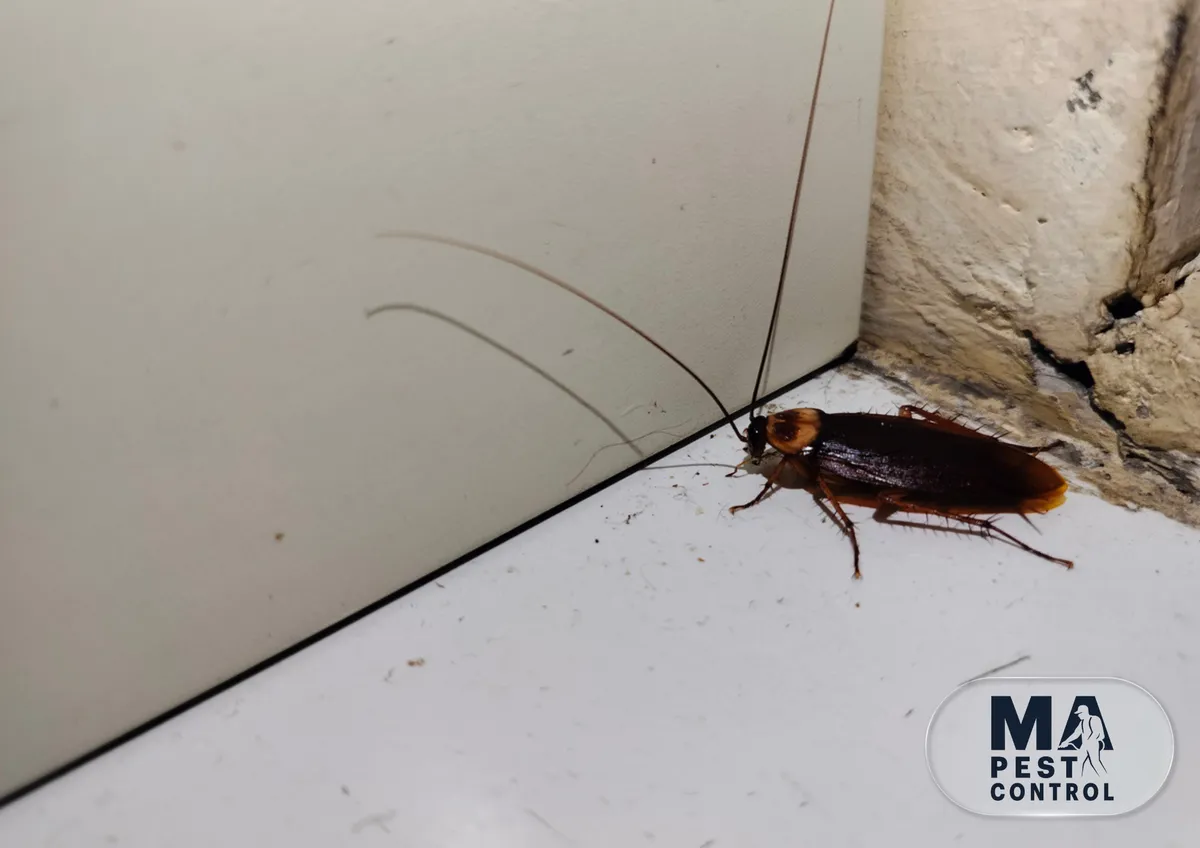
Recently, I visited a homeowner in London who had started noticing cockroaches in the kitchen late at night.
When I arrived, the kitchen was generally clean and tidy. There wasn't any obvious rubbish or food left sitting around.
I started checking behind the appliances, underneath the sink, inside the lower cupboards, and around the plumbing.
Behind the fridge, I found small dark droppings and signs of cockroach activity along the back of the kitchen units.
It was clear that the problem wasn't limited to the insects the homeowner had seen.

The Problem
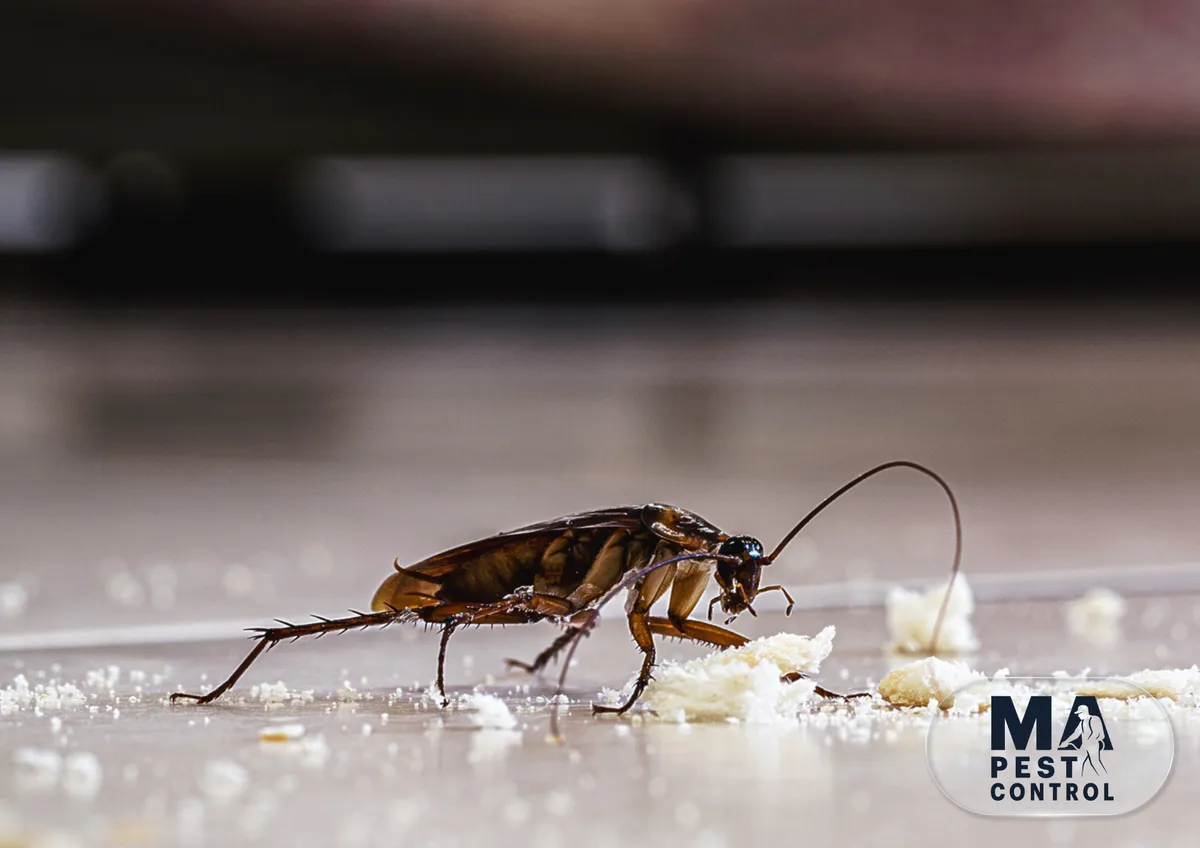
One thing I regularly explain to homeowners is that cockroaches don't need a dirty kitchen to survive.
They need somewhere warm, access to food and water, and small spaces where they can hide without being disturbed.
At this property, several things were helping them stay.
The first was moisture. There was a small leak underneath the kitchen sink that had been keeping the back of the cupboard damp.
It wasn't a major plumbing problem, and the homeowner hadn't noticed it because the water was collecting towards the back.
Cockroaches can squeeze into very narrow spaces, which makes them difficult to find during the day.
The homeowner had been spraying the cockroaches whenever they appeared, but the insects hiding behind the appliances and cupboards were still there.
That's why the activity kept returning.
The Process
I started by inspecting the areas where the homeowner had noticed the most activity.
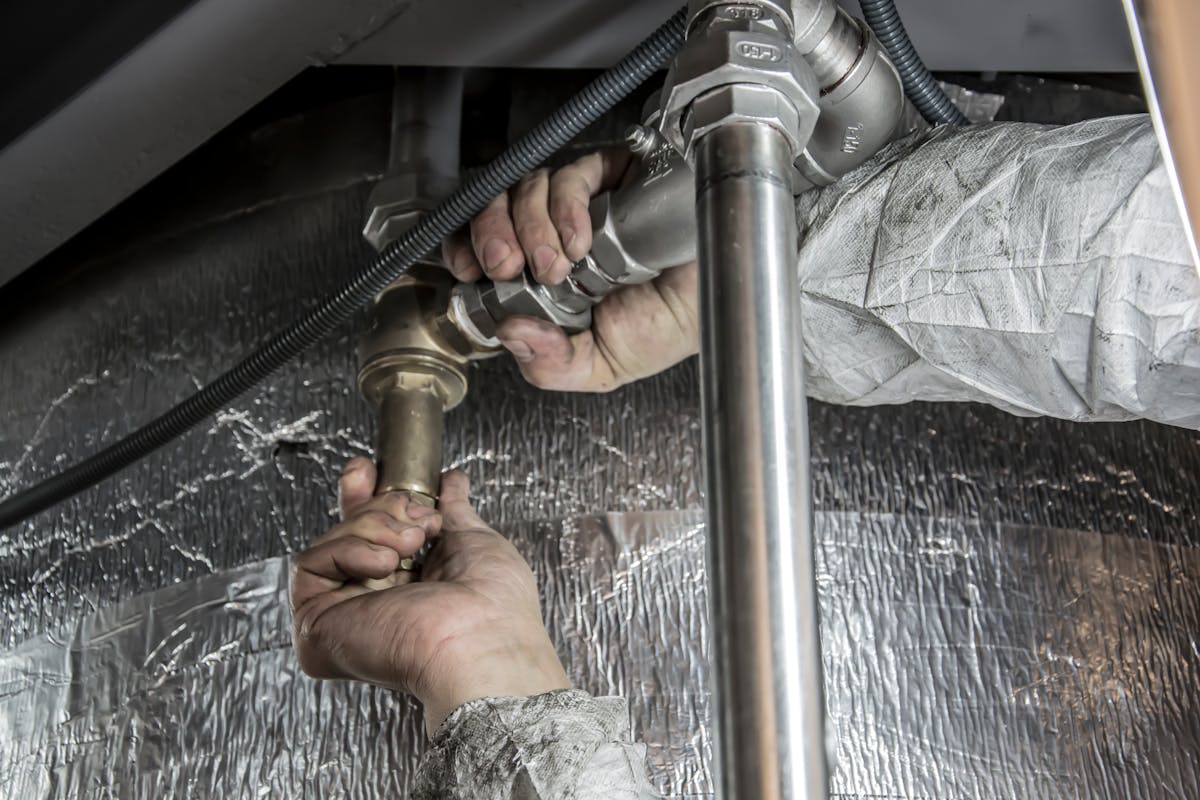
I checked behind the fridge and cooker, underneath the sink, inside cupboards, around plumbing connections, and along the edges of the kitchen units.
Once I had a better understanding of where the cockroaches were hiding, I put together a treatment plan for those specific areas.
Rather than spraying the entire kitchen, I focused on the cracks, gaps, and sheltered spaces where the insects were moving.
I used targeted treatment and professional cockroach bait in suitable locations.
Bait can be particularly useful because cockroaches feed on it while moving through their usual hiding areas. It helps reach insects that might not come into direct contact with a spray.
We discussed the leak underneath the sink, and I recommended having it repaired as soon as possible.
The aim was to deal with the cockroaches already inside while reducing the conditions that had allowed them to settle there.
The Outcome
Over the following days, the homeowner started noticing fewer cockroaches around the kitchen.
There were still occasional sightings initially, which can happen after treatment, but the activity gradually reduced.
By the follow-up visit, the homeowner said they hadn't seen anything running underneath the fridge for several days.
I checked the areas where I'd originally found the strongest signs and found considerably less activity.
The leak underneath the sink had also been repaired, and the homeowner had cleaned behind the cooker and fridge.
I explained that continued monitoring was important because cockroach egg cases can sometimes lead to new activity after the initial treatment.
The homeowner was pleased with the improvement, particularly because they had been checking the kitchen every evening before going to bed.
They could now walk into the kitchen without immediately looking around the floor and cupboards.
It was a good example of why dealing with the hiding areas matters more than simply killing the insects you happen to see.

DIY Advice
There are a few things I recommend homeowners check if they're worried about cockroaches during November.
1. Check underneath kitchen sinks. Look for dripping pipes, damp cupboards, or moisture collecting around plumbing connections. Even a small leak can provide a regular water source.
2. Clean behind kitchen appliances. Food crumbs and grease can collect behind fridges, cookers, and dishwashers. These areas are easy to overlook during everyday cleaning.
3. Keep food properly stored. Use sealed containers for cereals, flour, rice, pet food, and other dry foods rather than leaving opened packets in cupboards.
4. Empty rubbish regularly. Keep kitchen bins closed and avoid leaving food waste sitting overnight.
5. Reduce unnecessary clutter. Cardboard boxes, paper bags, and stored items can provide additional hiding places, especially in kitchens and utility rooms.
6. Check around pipes and cupboards. Small gaps around plumbing, skirting boards, and kitchen units can give cockroaches somewhere protected to hide.
These steps won't necessarily remove an established infestation, but they can make your home less suitable for cockroaches and help reduce the chances of the problem continuing.
"It's brighter than before!"
— Megan
Professional Insight
Cockroaches are different from many of the pests homeowners notice during autumn.
While some insects become less active as temperatures drop, cockroaches living inside heated buildings can continue feeding and breeding throughout the winter.
That's why November doesn't necessarily bring an end to cockroach activity.
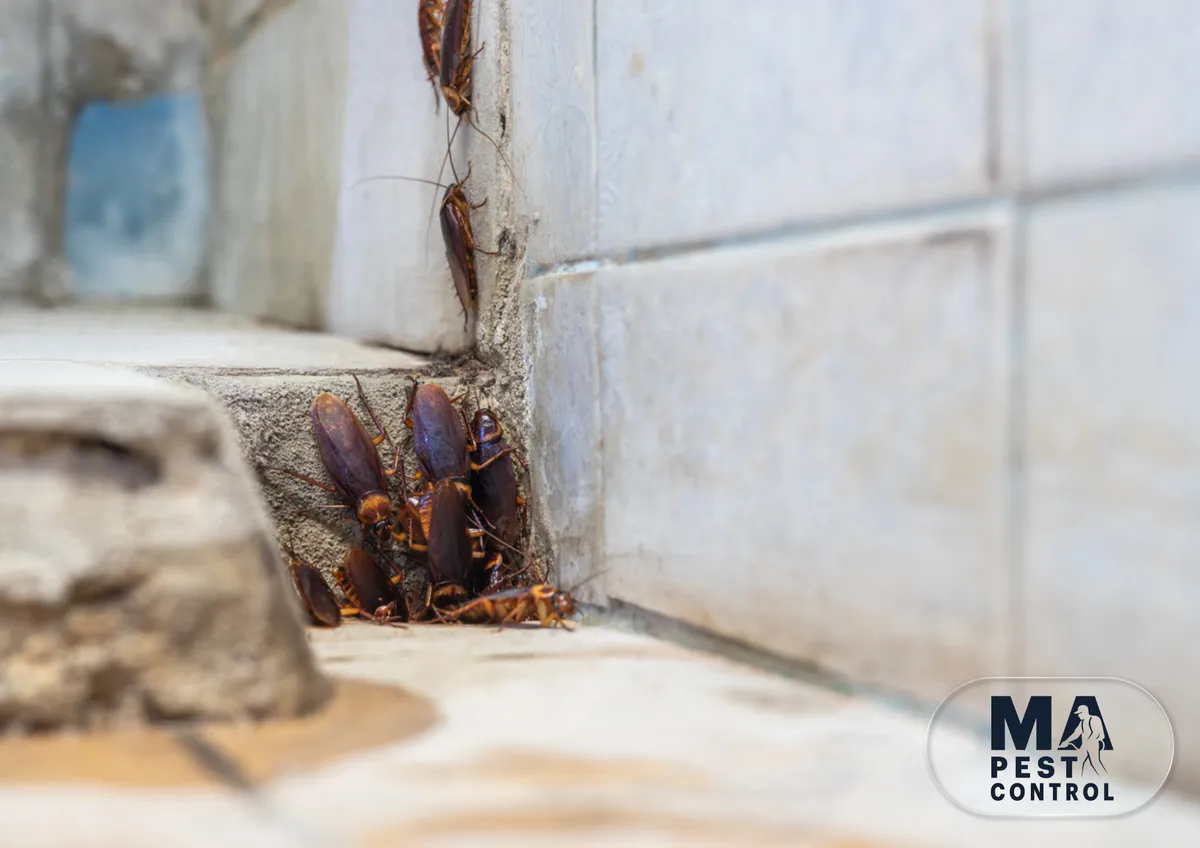
They often stay behind appliances, inside narrow gaps, around plumbing, and underneath kitchen units during the day.
A homeowner might only see one or two, but that doesn't tell us how many are hiding elsewhere.
Identifying the cockroach species also matters because different species behave differently and may require different treatment approaches.
Proper control involves finding where the activity is concentrated, applying suitable treatment, and dealing with the moisture, food, and shelter that support it.
Depending on the level of activity, follow-up treatment and monitoring may also be needed.
Closing Thoughts
That London job was a good reminder that cockroach problems can continue during November, even when the weather outside is getting colder.
The homeowner was already keeping the kitchen clean, but there were a few things happening behind the appliances that weren't immediately obvious.
The damp area underneath the sink, food debris behind the cooker, and narrow gaps around the cupboards were enough to keep the activity going.
Once those areas were identified and treated, the situation started improving.
If you're noticing cockroaches around your kitchen or bathroom this November, it's worth checking where they're coming from rather than relying on sprays alone.
If you're in London and want someone to take a proper look, feel free to get in touch. I'm always happy to explain what I find and give straightforward advice on what needs to be done.
– Modest
Areas
Address
Toronto Headquarters
20a Ladbroke Crescent, W11 1PS, London, UK


© 2026 MA Pest Control. All rights reserved.