
We're Here to Assist You
Spider Prevention: A Recent Job & Some Homeowner Tips
Category: Holiday
Published: 02 Aug, 2026
By Modest – Owner of MA Pest Control
What I Walked Into
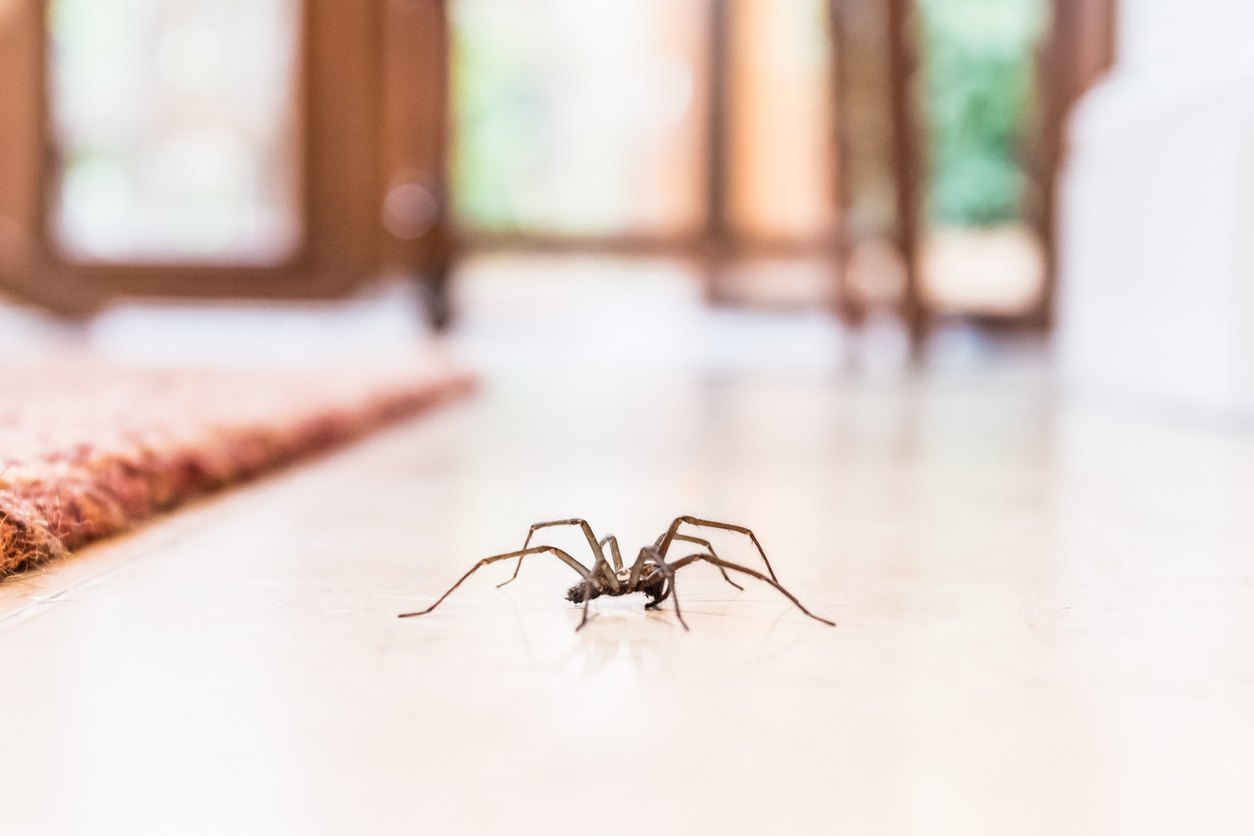
August is when I start getting more calls about spiders around London homes. The weather is still warm, windows are open more often, and there are usually more insects around for spiders to feed on.
A couple of weeks ago, I got a call from a homeowner who had started noticing spiders in several rooms.
It began with a few webs around the kitchen window and near the back door. Then they started finding spiders in the bathroom, behind the curtains, and around storage boxes in the spare room.
The homeowner said they had been removing the webs every few days, but new ones kept appearing in the same places.
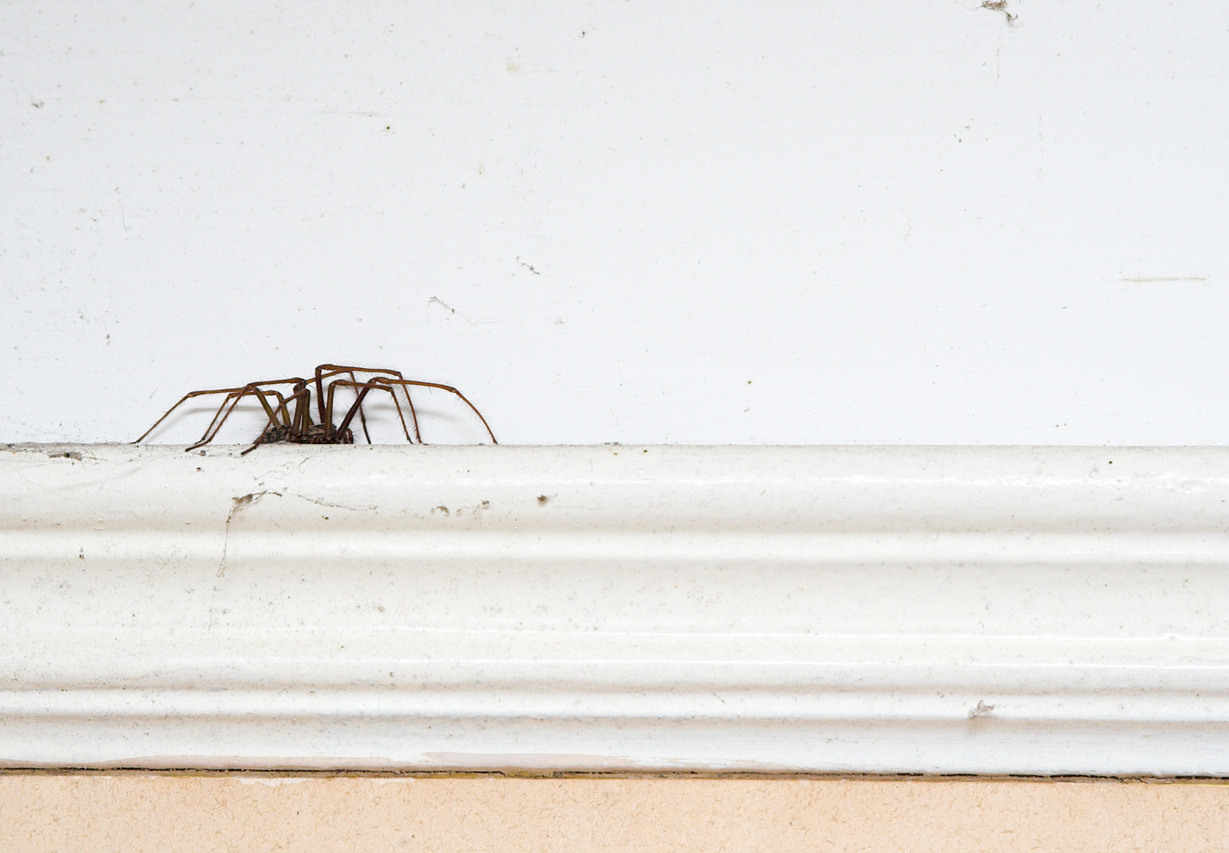
I found webbing around window frames, behind furniture, near air vents, and along the upper corners of the rooms. There were also a few small flying insects around the kitchen and garden doors, which gave the spiders a steady food source.


The Problem
Spiders are common in homes, especially during the warmer months, but regular sightings in different rooms usually mean the conditions are allowing them to stay.
The first issue I noticed was access. A few windows had small gaps around the frames, and the back door had a slight opening along the lower edge. These gaps were more than enough for spiders and other insects to get inside.
There were also several undisturbed areas around the home. Boxes had been stored against the wall in the spare room, and larger furniture had not been moved for a long time. These areas gave spiders somewhere quiet to build webs and lay egg sacs.
The other insects inside the property were also part of the problem. Spiders go where they can find food. Small flies and other insects were gathering near the windows and outdoor lighting, so the spiders had a reason to stay nearby.
The homeowner had been doing the right thing by removing visible webs, but that only dealt with what they could see. It did not change the entry points, hiding areas, or insect activity that was keeping the spiders around.
The Process
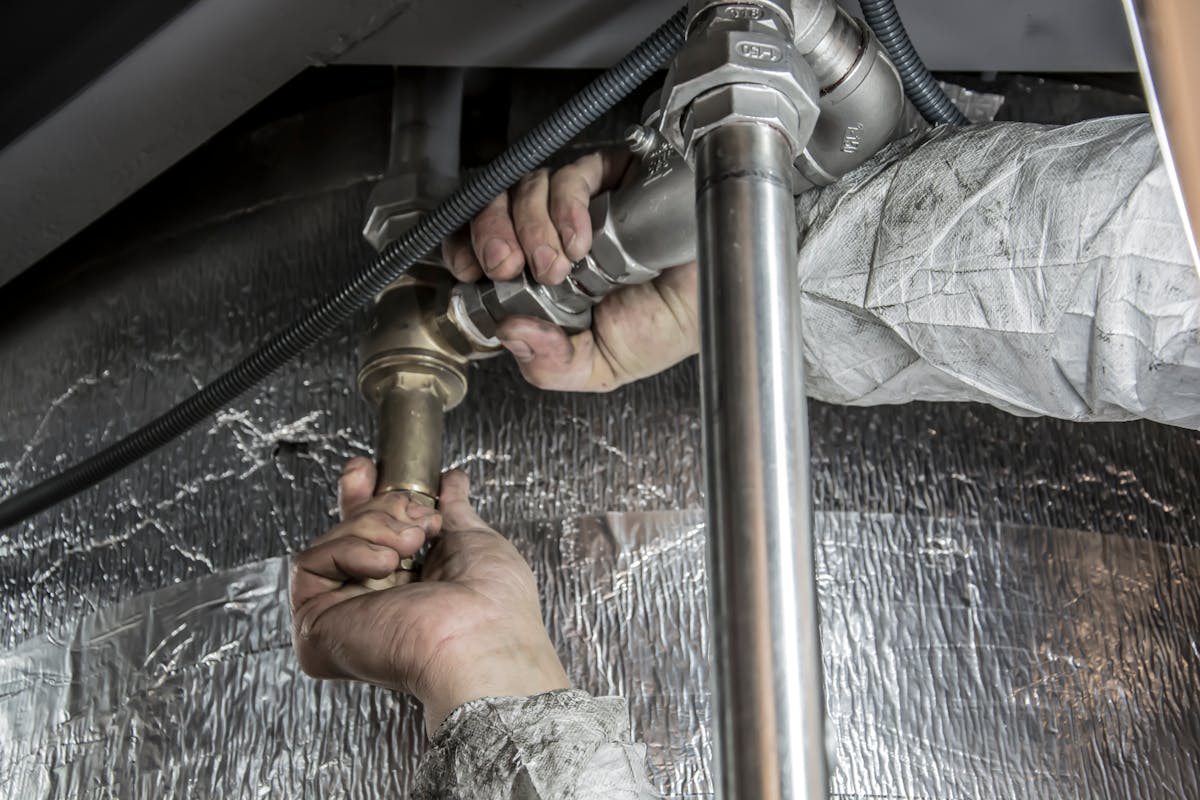
I started with a full inspection of the property so I could understand where the activity was strongest.
I checked the windows, doors, vents, skirting boards, ceiling corners, storage areas, curtains, furniture, and the outside walls around the property.
Once I had identified the main activity areas, I removed the visible webbing and checked for egg sacs in the corners and behind furniture.
I then applied a targeted treatment around the window frames, door edges, skirting boards, vents, and other areas where spiders had been moving or settling.
The treatment was not sprayed across the whole house. It was placed carefully in the areas where it was actually needed.
After the treatment, I showed them the gaps around the windows and back door that needed sealing.
We also discussed moving storage boxes away from the walls and cleaning behind larger furniture more regularly.
The Outcome
Within a few days, the homeowner noticed that fewer new webs were appearing.
The areas around the kitchen window and back door stayed clear, and they stopped finding spiders behind the curtains and in the bathroom.
A week later, they told me they had checked the same corners several times out of habit but had not found any new activity.
They also moved the boxes in the spare room, cleaned the area properly, and left a little space between stored items and the walls.
The homeowner said the biggest difference was that they were no longer checking every room before going to bed. Before the treatment, they had got into the habit of looking behind curtains and around ceiling corners each evening.
Once the activity dropped, they stopped thinking about it so much. The house simply felt normal again.

DIY Advice
There are a few practical things homeowners can do to reduce spider activity:
1. Remove webs regularly, especially from ceiling corners, window frames, behind doors, and around storage areas.
2. Removing them early makes it harder for spiders to settle in the same place.
3. Move furniture and storage boxes occasionally. Spiders prefer quiet, undisturbed areas, so cleaning behind wardrobes, sofas, and shelves can reduce hiding places.
4. Check windows and doors for small gaps. Damaged seals, torn screens, and openings around frames can allow spiders and other insects inside.
5. Look at your outdoor lighting. Bright lights close to doors and windows attract insects at night, and spiders often build webs nearby.
These steps will not remove every spider, but they can make the property less suitable for them and reduce how often they appear indoors.
"It's brighter than before!"
— Megan
Professional Insight
Most spider problems are not caused by one large nest or a single point of activity.
Usually, there are several small factors working together. There may be gaps around windows, insects gathering near lights, storage areas that are rarely disturbed, or rooms with more moisture than others.
This is why removing the spiders you can see is often not enough.
If the entry points and food sources remain, new spiders can move in and use the same areas again.
Professional spider control is mainly about understanding why the activity is happening and treating the places where spiders are actually living and moving.
The aim is not to remove every spider from the area. That would not be realistic. The aim is to reduce indoor activity and stop the same webs and sightings from returning every few days.
Closing Thoughts
That London job was a typical example of how spider activity can build up during August.
It started with a few webs near the windows, but over time, the spiders spread into other quiet areas around the house.
The homeowner was already cleaning regularly, but the problem continued because the entry points and insect activity had not been addressed.
If you are in London and want someone to take a proper look, feel free to get in touch. I am always happy to explain what is causing the activity and give straightforward advice on what can be done.
– Modest
Areas
Address
Toronto Headquarters
20a Ladbroke Crescent, W11 1PS, London, UK


© 2026 MA Pest Control. All rights reserved.