
We're Here to Assist You
Why Rodents Start Moving Indoors: A Recent Job & Some Homeowner Tips
Category: Holiday
Published: 06 Oct, 2026
By Modest – Owner of MA Pest Control
What I Walked Into
October is usually when I start paying closer attention to rodent activity around London homes.
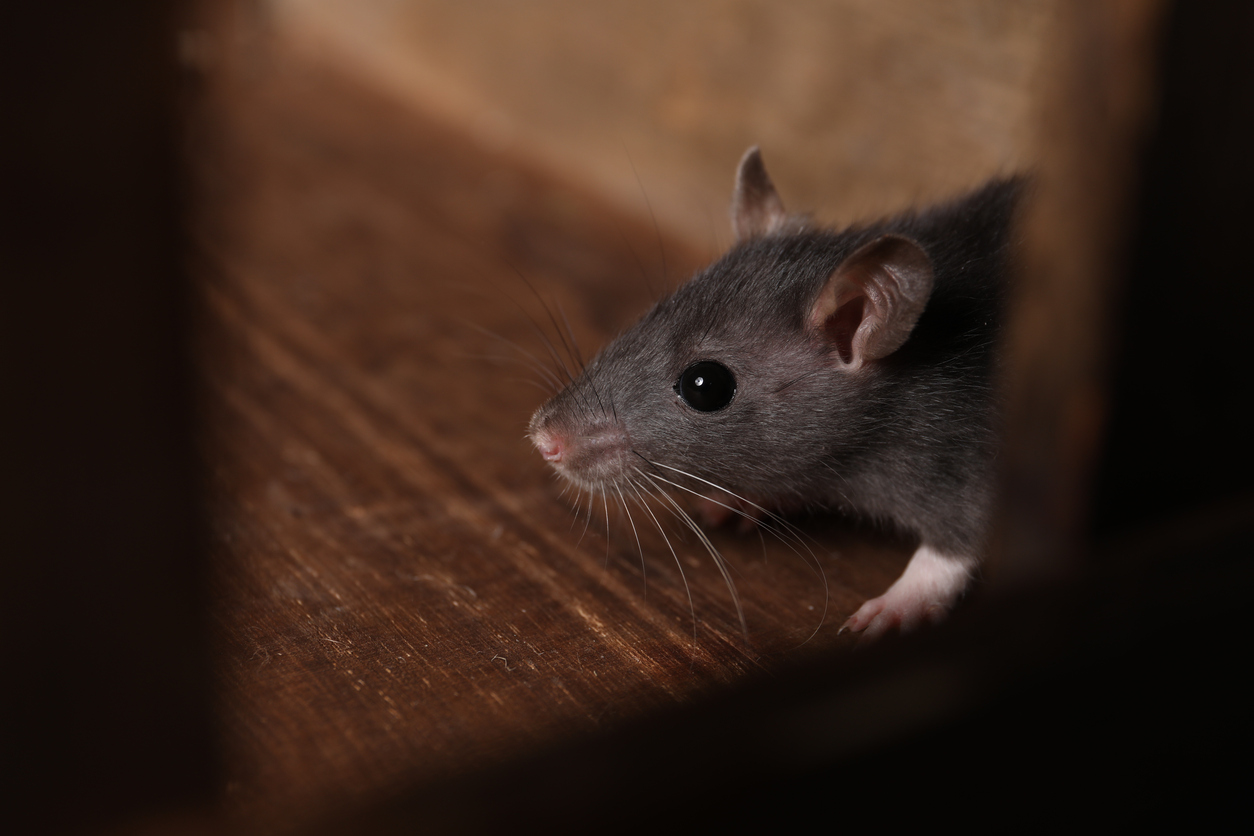
As the evenings get colder and the weather becomes wetter, mice and rats start looking for places where they can find shelter, warmth, food, and somewhere dry. For some of them, that means moving closer to our homes and eventually finding a way inside.
Earlier this month, I visited a London homeowner who had started hearing light scratching noises in the kitchen late at night.
When I arrived, I started by checking the kitchen and the areas around where the sounds had been heard.
There were clear signs of mouse activity underneath the kitchen units, but the more important question was how they were getting there.
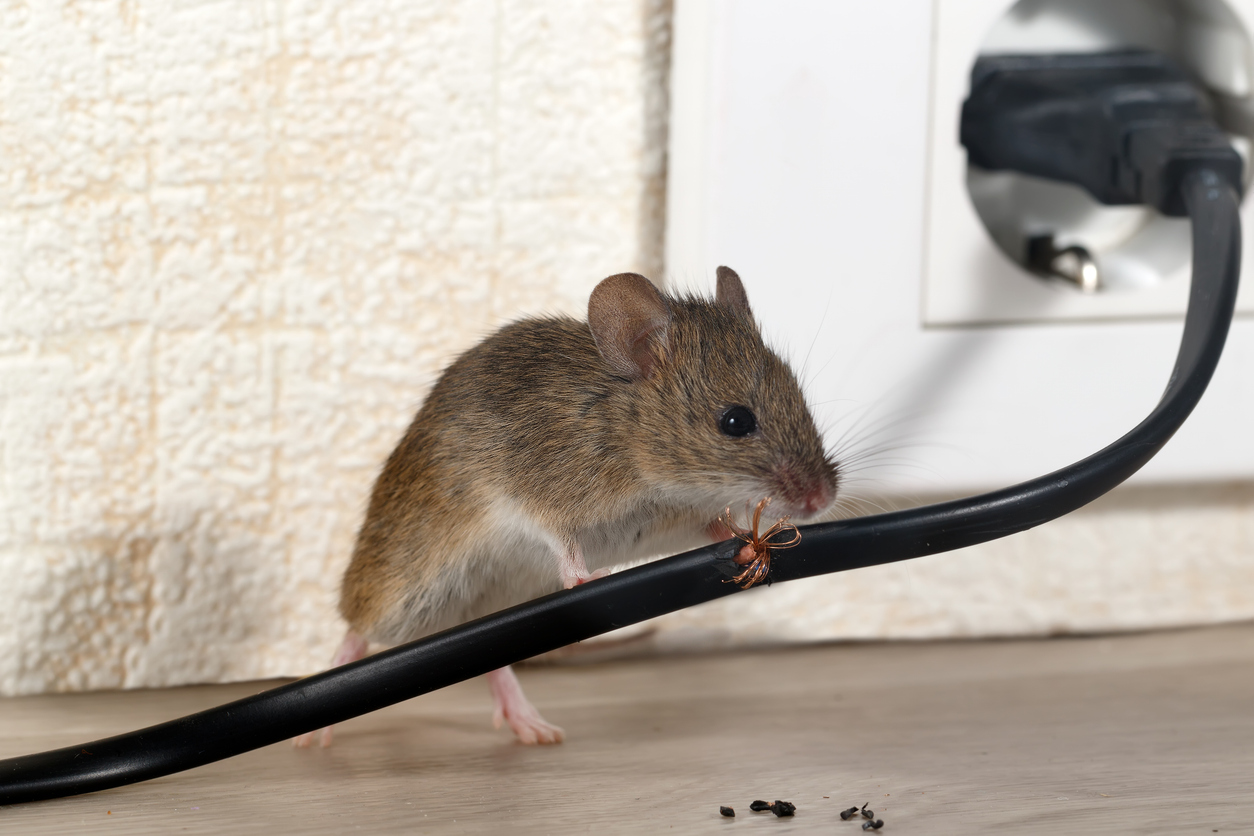
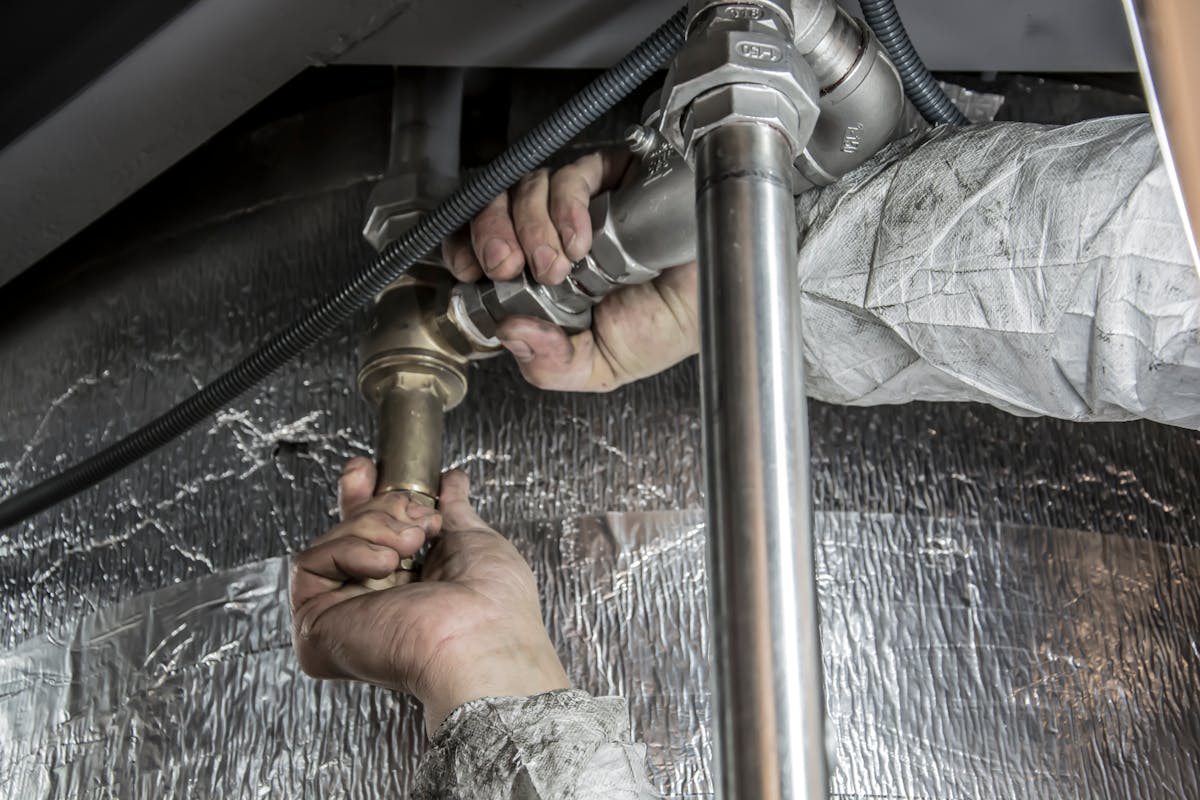
Outside, I found a small opening around pipework entering the property. It was easy to overlook, but it was enough space for a mouse to use.
With the colder October weather starting, the house had simply become a better place for them to shelter.

The Problem
One of the biggest misunderstandings about rodents is that they suddenly appear once winter arrives.
In reality, the movement often starts earlier.
During autumn, temperatures begin dropping and outdoor conditions become less comfortable. Food sources can also change, and wet weather can disturb some of the places rodents have been using outside.
That is when mice and rats start looking for other options.
In this particular property, the opening around the pipework gave them an easy route inside. Once inside, they had access to a warm kitchen with food and water nearby.
None of these things were unusual. The kitchen was generally clean.
The problem was simply that the rodents had found an opening, and once they were inside, they had reasons to stay.
The Process
I started with a proper inspection of the areas where the homeowner had noticed signs.
I checked underneath the kitchen units, behind appliances, inside cupboards, around pipework, and along the edges of the room.
I then inspected the outside of the property to look for possible entry points.
Finding those entry points is an important part of rodent work. You can deal with the mice already inside, but if the same opening remains available, another mouse can use it later.
Once I understood the route they were using, I put a treatment plan in place for the active problem.
I also showed the homeowner the opening around the pipework and explained what needed to be properly sealed.
We went through a few other areas around the property as well, including the doors, vents, exterior walls, and places where utilities entered the building.
Inside, I recommended moving some of the dry food into sealed containers and keeping the area underneath the kitchen units as clear as possible.
The idea was to deal with the mice that were already there while also making it more difficult for new activity to start.
The Outcome
Over the following days, the homeowner noticed that the scratching became less frequent and then stopped.
There were no new droppings appearing underneath the sink or inside the kitchen cupboards.
The entry point around the pipework was also dealt with, and the homeowner went through the food cupboards and moved several open packets into sealed containers.
On the follow-up, I checked the areas where we had originally found activity and there were no fresh signs.
What had started as a few quiet noises behind the kitchen units had been caught before it developed into a much bigger problem.
That is one of the reasons I always tell homeowners to pay attention to those early signs during autumn.

DIY Advice
October is a good time to spend a few minutes checking your property before colder weather settles in properly.
1. Check around pipes and cables. Look at where plumbing, heating pipes, cables, and other utilities enter the property. Small gaps around them can provide an easy route inside.
2. Look underneath exterior doors. If you can see daylight underneath or around a door, it is worth checking whether the seal needs attention.
3. Keep food properly stored. Cereals, rice, flour, pet food, bird seed, and similar items are better kept in secure containers rather than open bags.
4. Keep bins properly closed. Indoor and outdoor rubbish can provide an easy food source if rodents can reach it.
5. Clear clutter near exterior walls. Boxes, stored materials, and dense vegetation can give rodents somewhere protected to hide close to the house.
These checks do not take long, but October is a good time to do them because rodents are starting to look for better shelter as the weather changes.

"It's brighter than before!"
— Megan
Professional Insight
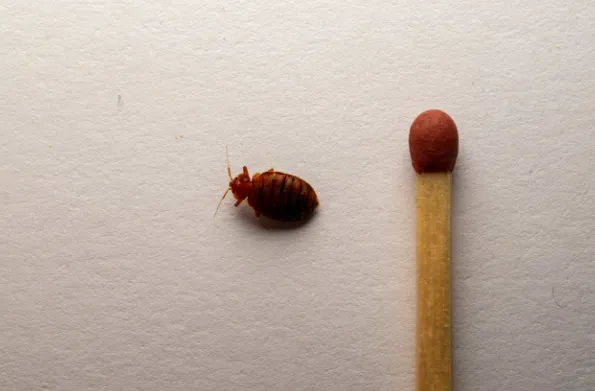
Rodent prevention in autumn is mainly about understanding how little space mice need to get into a property.
A gap can look insignificant to us but still provide enough room for a mouse.
That is why I spend a lot of time looking around pipework, vents, doors, exterior walls, and other areas where there are small breaks in the structure.
The active rodents need to be dealt with, but the route they used and the conditions inside the property matter just as much.
October is a useful time to check these things because it gives homeowners a chance to find potential problems before rodent activity becomes heavier later in the colder months.
Closing Thoughts
That London job was a fairly typical example of what I start seeing around October.
There was not a large infestation. The homeowner had not even seen a mouse.
It started with scratching behind the kitchen units and a few droppings underneath the sink.
But when I inspected the property, there was a clear entry point and enough food and shelter inside to make the kitchen an attractive place for mice.
If you start hearing noises at night or find droppings around your home this October, do not assume you need to wait until you actually see a mouse.
It is usually easier to deal with rodent activity when you catch the signs early and work out how they are getting inside.
If you're in London and you're not sure what you're dealing with, feel free to get in touch. I'm always happy to take a proper look and explain what I find.
– Modest
Areas
Address
Toronto Headquarters
20a Ladbroke Crescent, W11 1PS, London, UK


© 2026 MA Pest Control. All rights reserved.